He swam 1,367km without a wetsuit to call for an end to bottom trawling
He swam 1,367km without a wetsuit to call for an end to bottom trawling
Jono Ridler just freestyled the entire east coast of New Zealand's north island. 1,367km, 90 days, no wetsuit. What he endured, why he did it, and why it's the best example of the power of sport I've seen in years
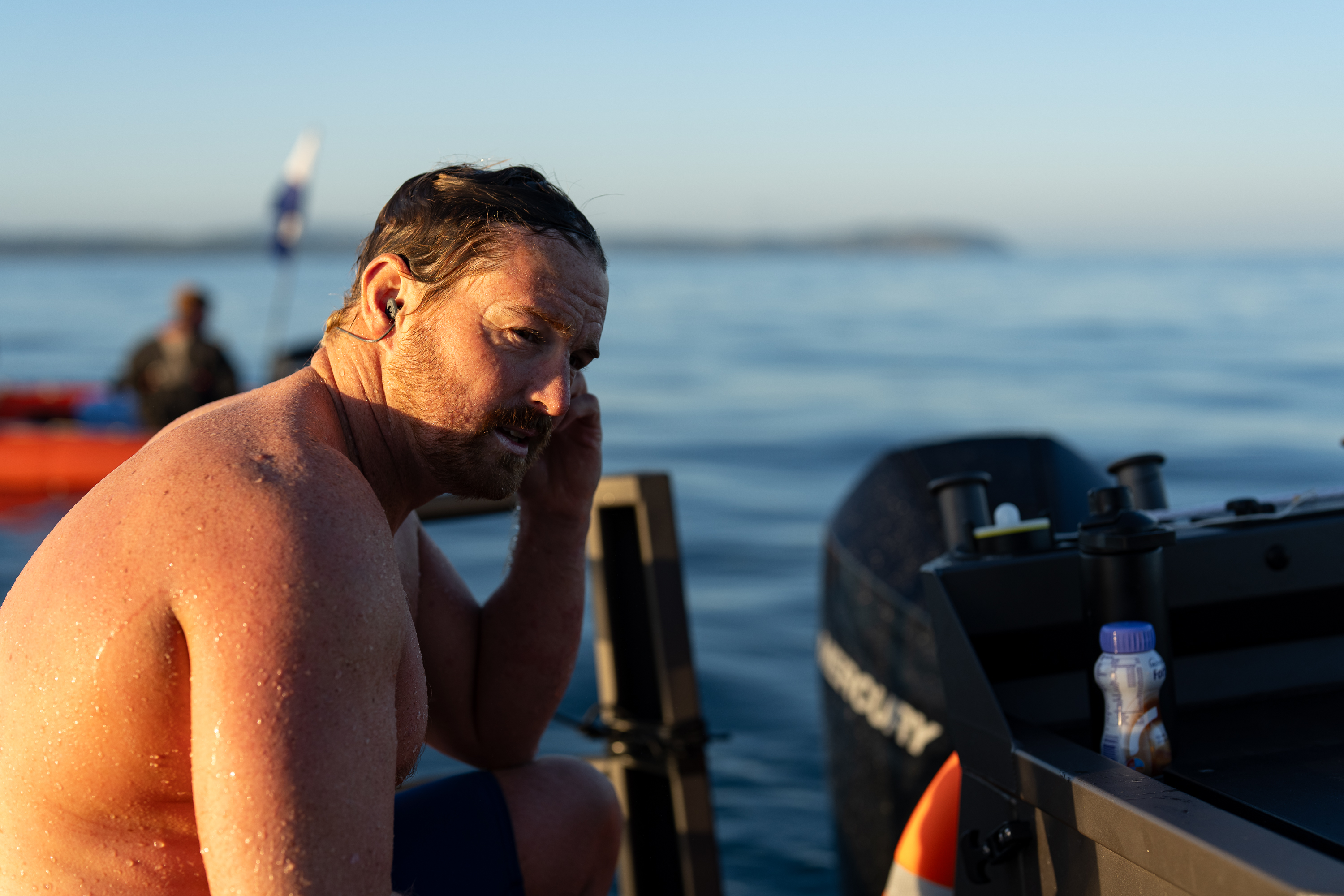
This has to be one of the most incredible feats of human endurance I’ve ever seen.
I’ve been watching a man swim for three months. That sounds strange written down (and probably stranger to admit how emotionally invested I’ve become in someone else’s swim tracker).
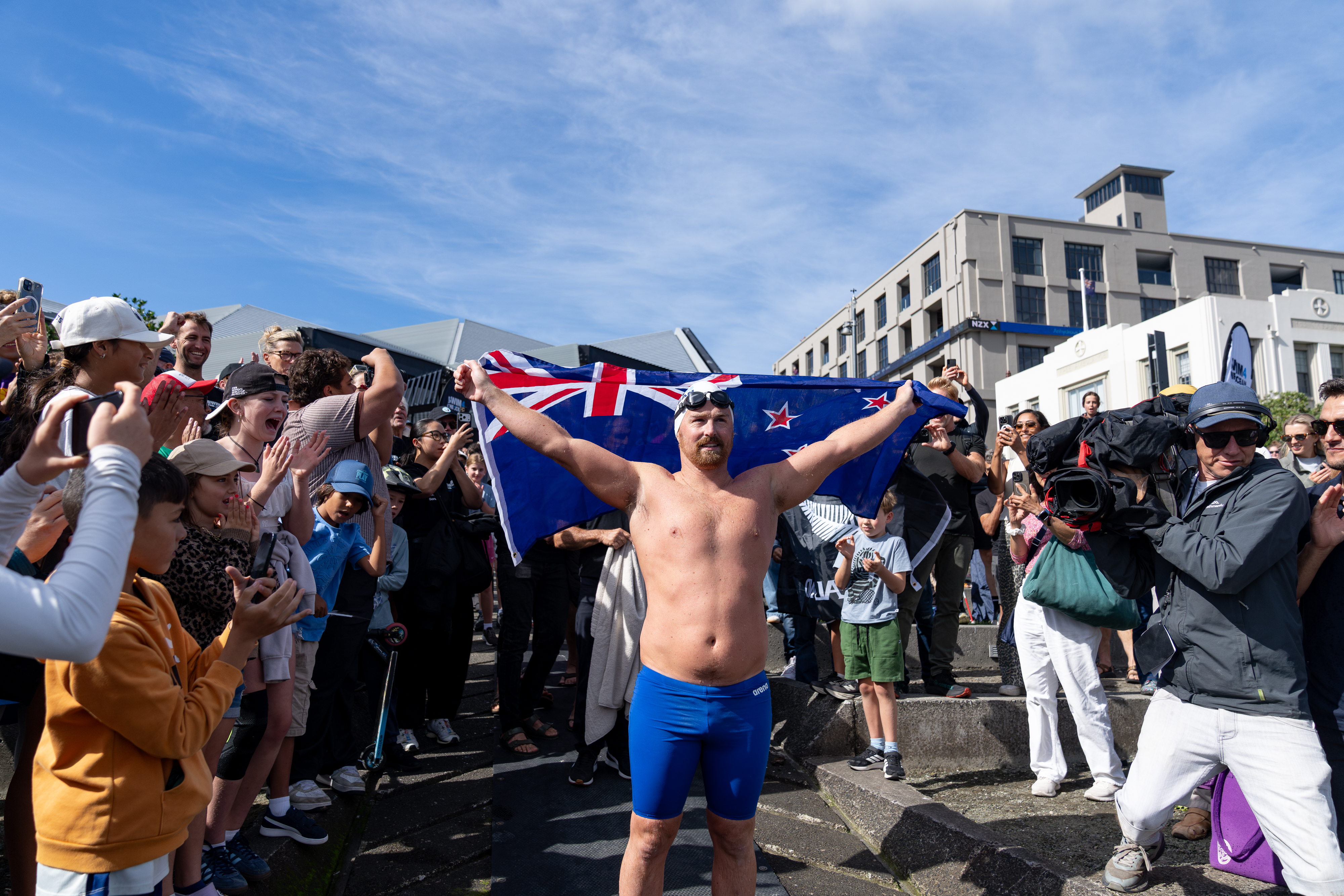
But if you’ve been anywhere near New Zealand’s coastline, or following Live Ocean’s channels, you’ll know exactly what I mean. Jono Ridler has been in the water since 5 January, freestyling the entire east coast of New Zealand’s North Island from North Cape to Wellington, and on Saturday he finally walked out of the ocean and straight to Parliament.
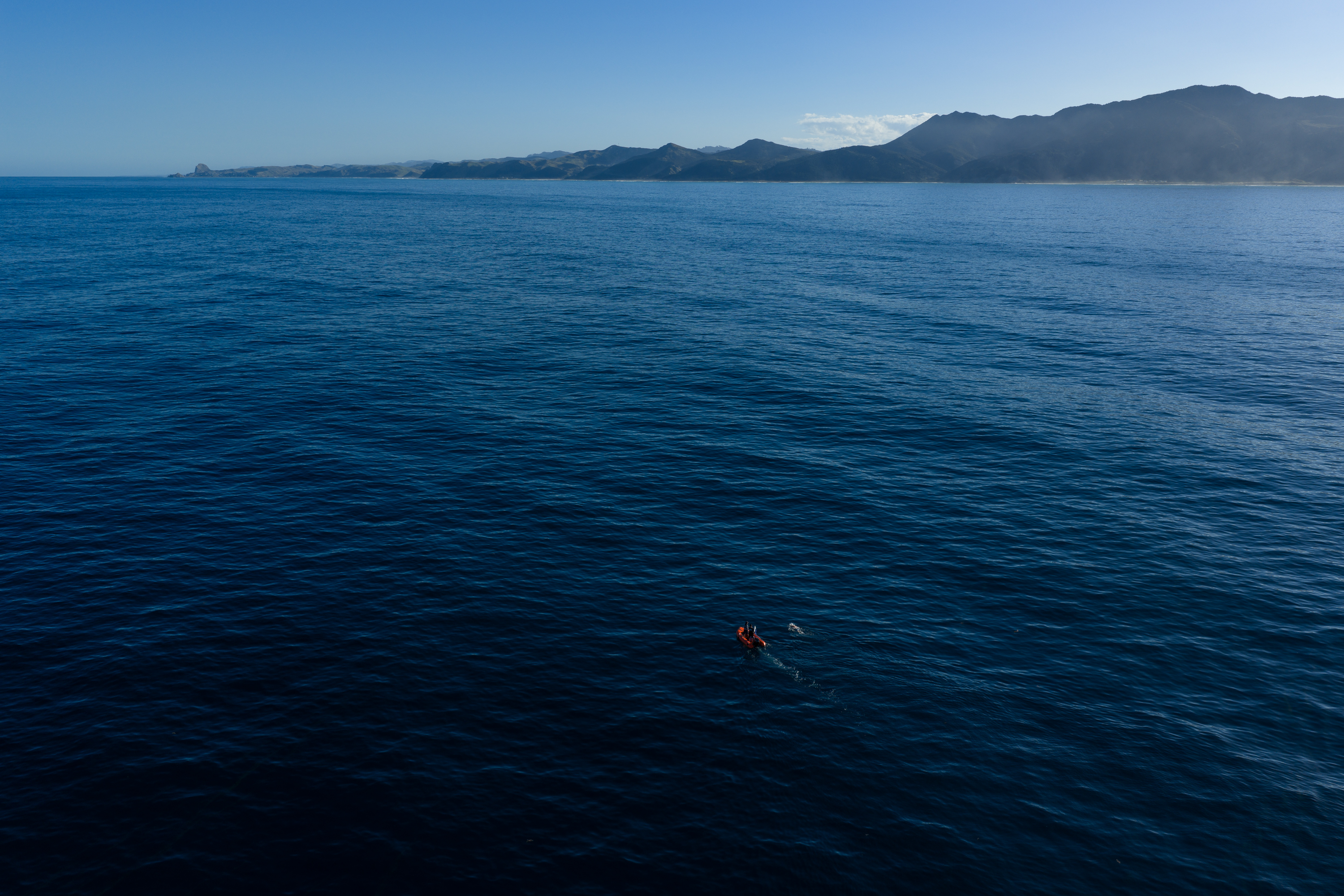
It’s the equivalent of 53 Cook Strait crossings or 41 English Channel crossings. Over a million strokes. Two sessions a day, each up to six hours, with pre-dawn starts at 4am and finishes after dark. And then he’d wake up and do it again the next day, and the next, for 90 days.
The swim is expected to be ratified as the longest unassisted staged swim ever, and it ranks among the toughest endurance feats in the world.
I’ve known the Live Ocean team through my work with the New Zealand SailGP Team, so when Jono set out from North Cape in January, I was following from the start, watching Josh McCormack’s photographs and videos come through week after week (and they are, without question, some of the most extraordinary photography). And I’ve found myself moved by the whole thing in a way I wasn’t expecting.
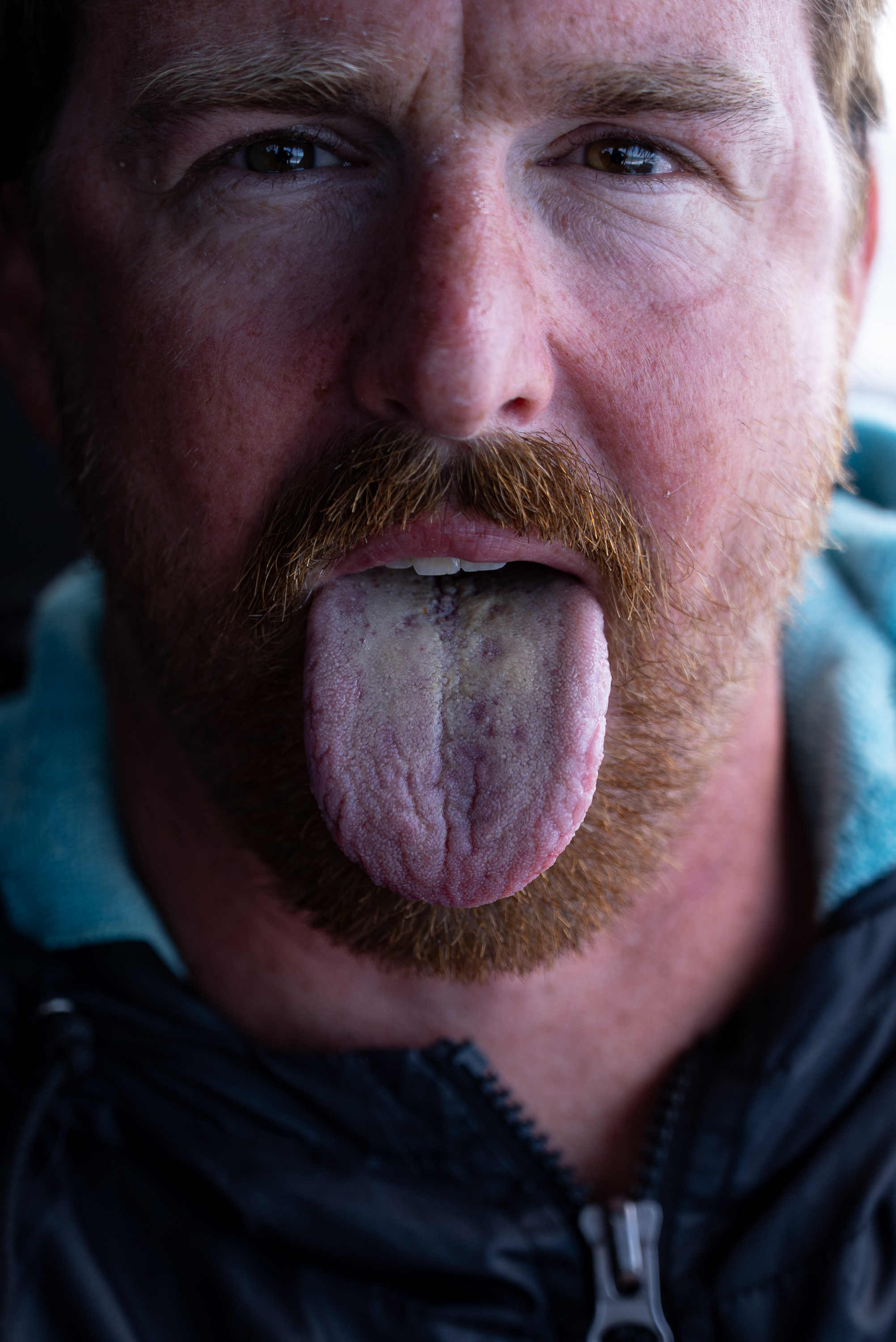
It wasn’t really the distance, although the distance is absurd. It wasn’t the records, although the records are real. It was the accumulation. The slow, grinding, day-after-day toll of what he put his body through for this.
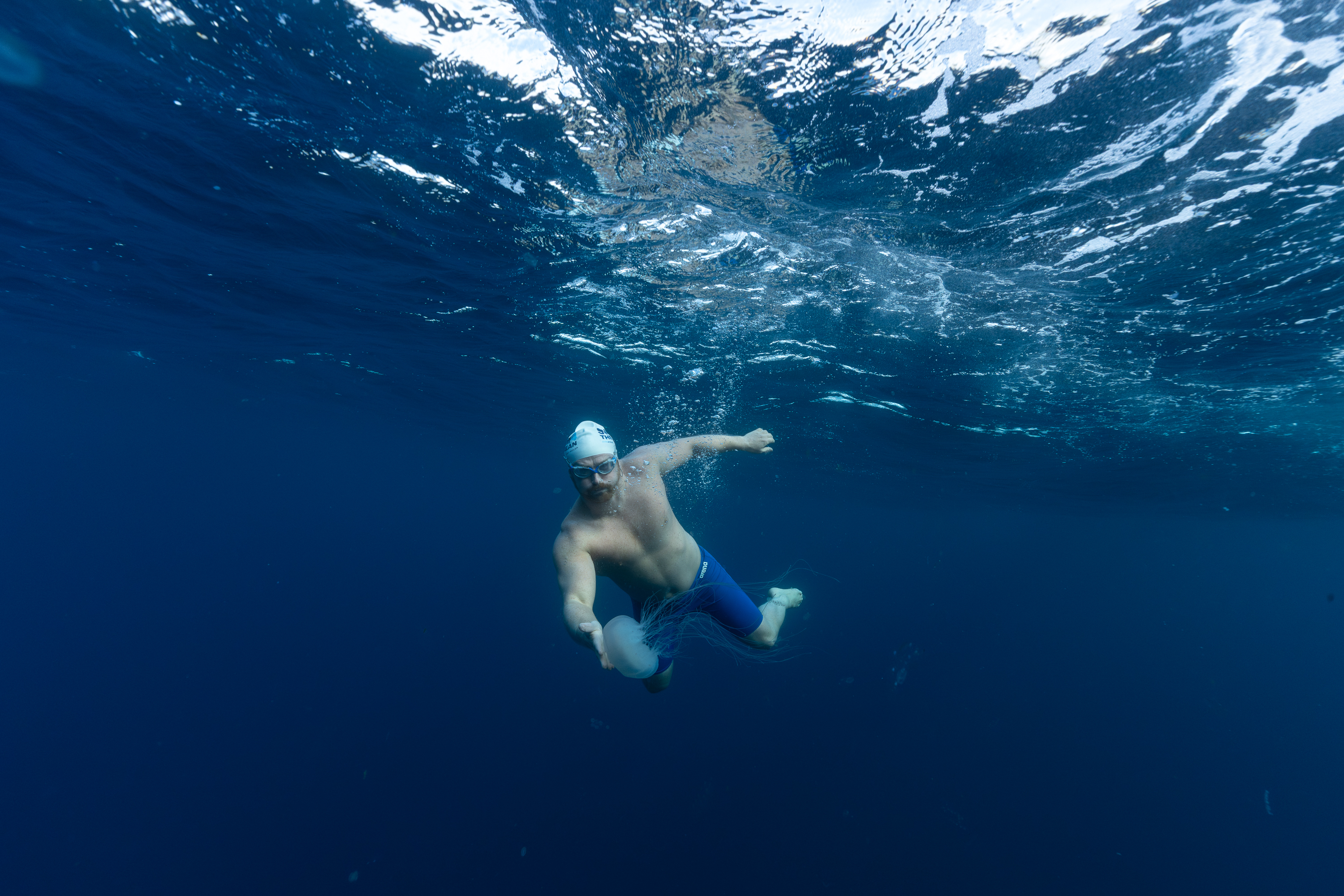
Near Cape Palliser, with Wellington finally within reach, he jumped in for a morning session and found barbed-wire jellyfish everywhere. He climbed back on the boat, waited two hours, then swam 7 hours 19 minutes straight through them. The longest single leg of the entire mission. “For the first hour I was repeatedly being stung and dealing with the cold on top of that, already being fatigued and sore in my muscles,” he said afterwards. “Those are some hard sessions to get through.” Hard sessions. Right.
“I keep hearing time and time again how surprised people are that we’re still bottom trawling in New Zealand - and bottom trawling on seamounts,” Jono said. “One trawl could take minutes, and it can take centuries for those ecosystems to recover. To me that kind of damage and lack of foresight is just mind-blowing.” New Zealand is the only country still bottom trawling on seamounts in the South Pacific high seas.
67,464 New Zealanders signed the petition. He walked from Whairepo Lagoon to Parliament, where the Minister of Conservation was waiting. The petition will be formally delivered on 29 April.
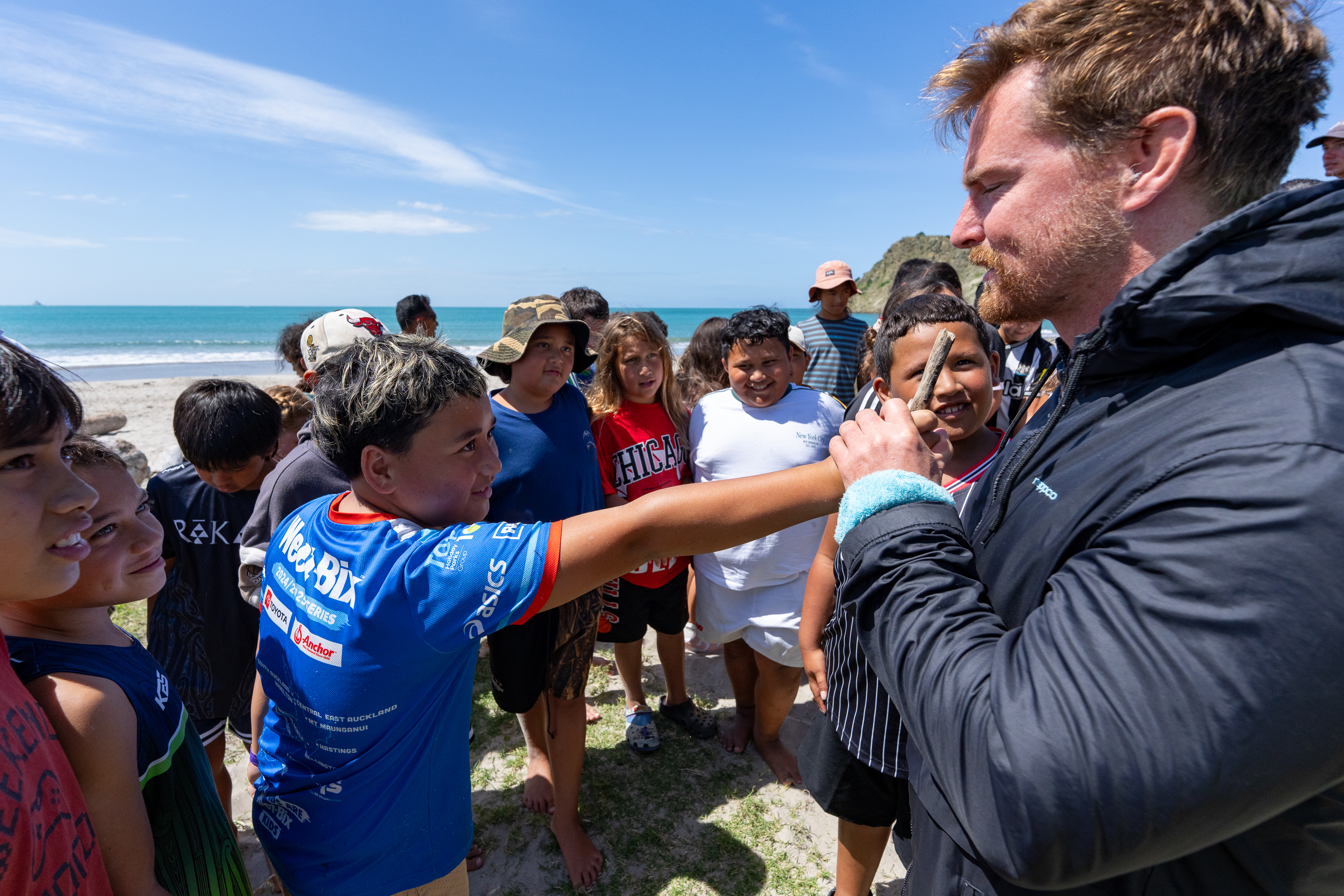
Blair himself put it simply: ““What Jono and the team have achieved is one of the greatest individual endurance feats of all time. He has brought the country together and reminded us of the extraordinary things New Zealanders can achieve when we put our minds to it. For 90 days, Jono has shown us what courage, commitment and leadership looks like. Now, it’s our turn as a nation to stand with him and support the kaupapa for a healthy ocean by joining the call to end bottom trawling.”
And Jono, when asked what he hopes comes from all of it: “I want my generation to be the generation that says not ‘do you remember how good it used to be?’ but ‘do you remember how bad it used to be?’ That my daughter and her children and their children will be able to enjoy some of the abundance that has slipped through our hands through the generations. That this can be a real moment for change.”
The power of sport. Turning one person’s sacrifice into something an entire country feels, and making it impossible to look away.
This is the kind of story New Season exists to tell. Sport, climate, culture, colliding in a way that changes something real.
If you want to add your name to the call, you can do that at Swim4TheOcean.org.
The swim is over. The mission continues.